The IP Rating is an accepted engineering standard for defining the protection of electrical equipment from dust and moisture ingress.
For pressure sensors and associated instrumentation the 2 digit version of the IP rating is used to indicate how well the design will prevent dust and water getting into the electronic enclosure.
IP ratings are important indicators of how protected the external surface of a pressure transducer or digital indicator is going to be for a particular operating environment.
First Digit – Solids
The higher the first digit of the IP rating number the better the protection from dust, sand or dirt particles penetrating the outer enclosure and damaging the internal components.
- 0 = No protection
- 1 = Protected against touch by hands (>50mm)
- 2 = Protected against touch by fingers (>12.5mm)
- 3 = Protected against tools and wires (>2.5mm)
- 4 = Protected against tools and small wires (>1mm)
- 5 = Limited dust ingress protection
- 6 = Total dust ingress protection
For example if you are going to use a pressure transmitter on an oil refinery in the middle of the desert you would want a very high protection against sand ingress, but if you were going to use it inside a clean room inside a silicon chip manufacturing facility you would only need a very low-level of particle ingress protection.
Second Digit – Liquids
The higher the second digit of the IP rating number the better the ingress protection from water moisture leaking inside and corroding components or shorting out electrical & electronic circuits.
- 0 = No protection
- 1 = Protected against condensation
- 2 = Protected against water spray < 15 degrees from vertical
- 3 = Protected against water spray < 60 degrees from vertical
- 4 = Protected against water spray from any direction
- 5 = Protected against low pressure water jets from any direction
- 6 = Protected against high pressure water jets from any direction
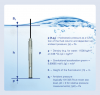
- 7 = Protected against temporary immersion to at least 1m from bottom and 15cm from top of object
- 8 = Protected against continuous immersion to a specified depth or pressure
For example if you wanted to immerse pressure transducers in the ocean to monitor the sea depth you would need very high integrity water-proofing, but if you were looking to fit pressure transmitters to an air compressor in a location with a low relative humidity you would only need a very low-level protection against fluid penetration.
Please note that the 2 digit IP ratings do not provide any indication of how protected a pressure sensor or instrument will be from impacts or exposure to corrosive fluids and either of these might compromise the integrity of the IP rating if they have not be taken into account.
Glossary of Media Compatibility technical terms
- Al2O3
- Bonded Seal
- Dry Cell
- Dry/Dry
- EPDM – Ethylene Propylene Diene Monomer
- FEP – Fluorinated Ethylene Propylene
- FFKM – Perfluoroelastomer
- FKM – Fluoroelastomer
- Food Grade
- PUR, PU – Polyurethane
- PVC – Polyvinyl Chloride
- Stainless Steel Pressure Sensors
- Wet/Dry
- Wet/Wet
- Wetted Parts